Repairing Seams And Edges In Artificial Grass
People searching for repairing seams and edges in artificial grass are typically looking to fix damage or separation, and local contractors can efficiently restore a seamless, durable surface.
For property owners with artificial grass, maintaining a seamless and tidy appearance is essential for both aesthetics and functionality. Over time, seams and edges can become worn, lifted, or frayed, especially in high-traffic areas or after harsh weather conditions. Addressing these issues promptly helps preserve the integrity of the installation, prevents further damage, and keeps outdoor spaces looking their best. Whether you're preparing for an event or simply want to maintain a pristine yard, understanding how to repair seams and edges can be a practical step toward long-lasting artificial grass that enhances your property’s overall appeal.
Experienced service providers in the area specialize in repairing seams and edges in artificial grass, offering solutions that restore the surface’s smoothness and durability. These local contractors have the skills and tools to fix common issues, ensuring your turf remains secure and visually appealing. Exploring this topic can reveal effective methods and help property owners make informed decisions about maintaining their artificial grass. Keep reading to learn more about how local professionals can assist with repairs, helping you keep your outdoor space in top condition.
- **Seam repair** - homeowners noticing separation or unraveling along seams in artificial grass can benefit from local contractors who specialize in seam reinforcement and adhesive application.
- **Edge restoration** - when the edges of artificial grass start lifting or fraying, local service providers can re-secure or trim edges to restore a clean, uniform appearance.
- **Seam and edge sealing** - for areas where seams or edges are lifting due to weather or foot traffic, local pros can apply sealing techniques to prevent further damage.
- **Seam reinforcement** - uneven or shifting seams that affect the look and safety of artificial grass can be fixed by local contractors using specialized tools and adhesives.
- **Edge trimming and finishing** - damaged or loose edges can be trimmed and finished by local service providers to ensure the artificial grass stays securely in place.
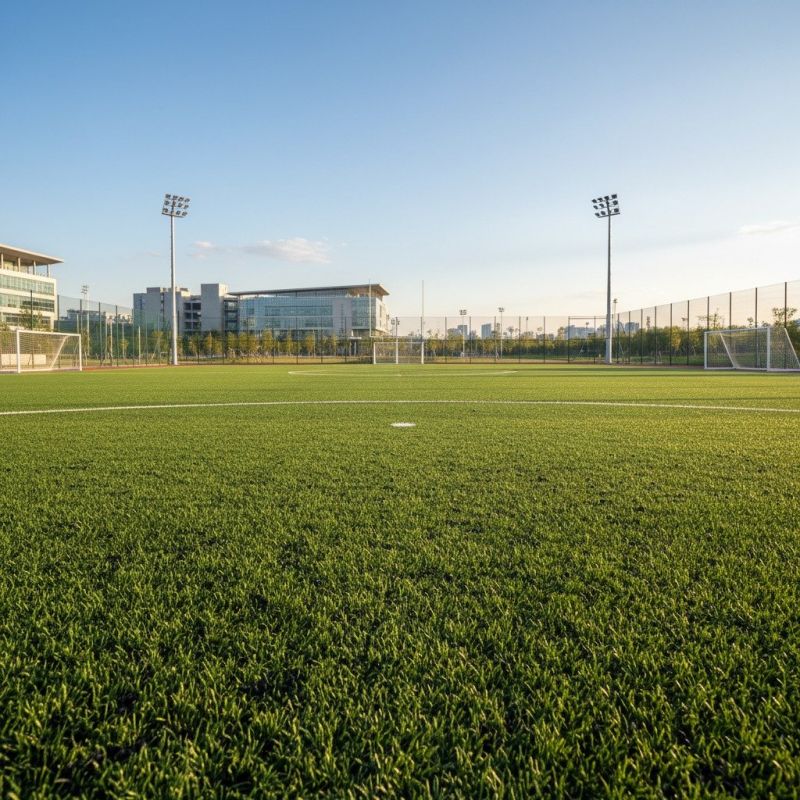
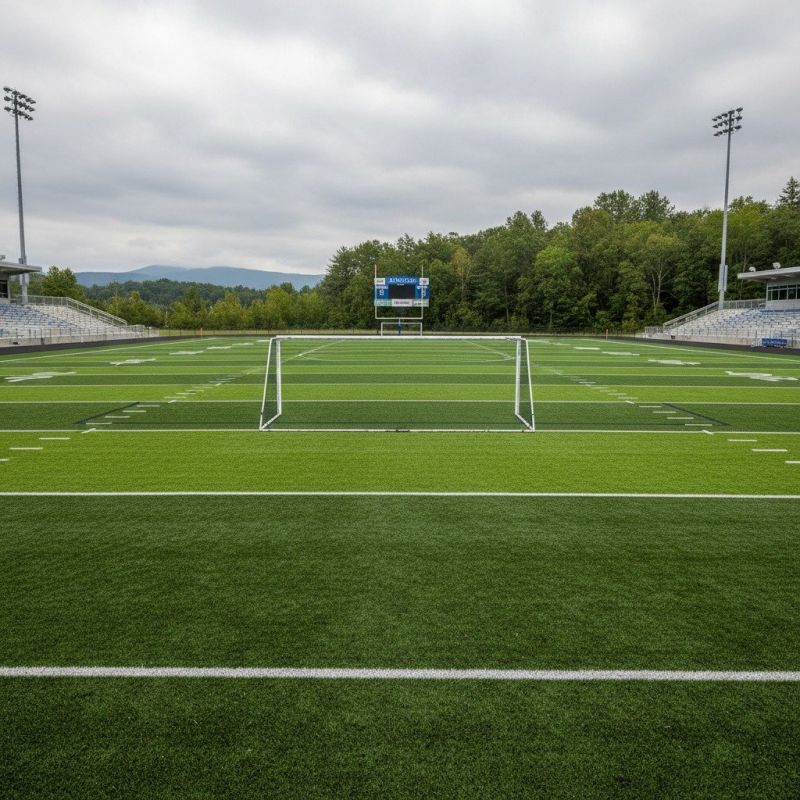
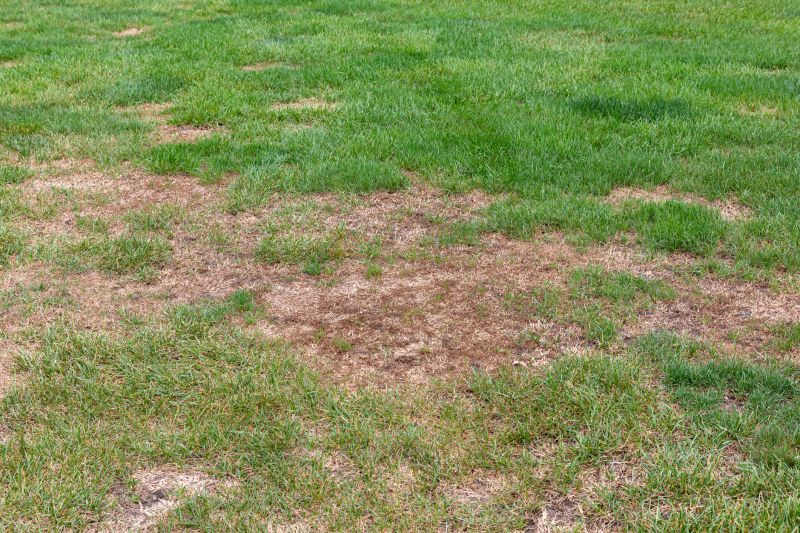
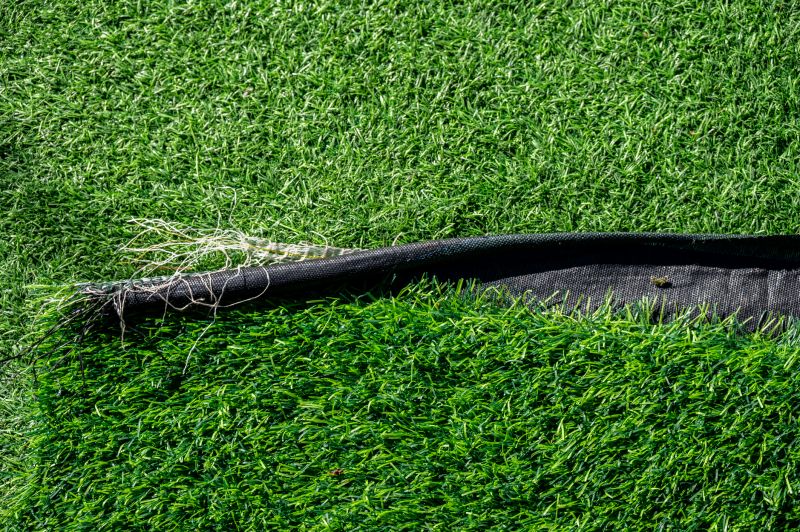
Repairing seams and edges in artificial grass is a common concern for homeowners who want to maintain a smooth, natural-looking surface in their yards or outdoor spaces. When searching for this topic, people usually mean fixing areas where the turf has come apart or lifted, often due to foot traffic, weather conditions, or improper installation. These issues can lead to uneven surfaces, tripping hazards, or an overall unkempt appearance. Homeowners seeking solutions often look for ways to restore the integrity of their artificial grass, ensuring it remains safe, attractive, and functional for everyday use.
This type of repair work is closely related to addressing ongoing property concerns or planning upgrades to outdoor landscaping. Common problems include seams that have separated or frayed over time, edges that have curled or lifted, and areas where the turf has become loose or torn. These issues are especially relevant for properties with high foot traffic, pets, or outdoor furniture that can put stress on the turf’s edges and seams. Many property owners also consider repairs when preparing to sell their home or improve curb appeal, seeking a seamless, professional finish that looks natural and durable.
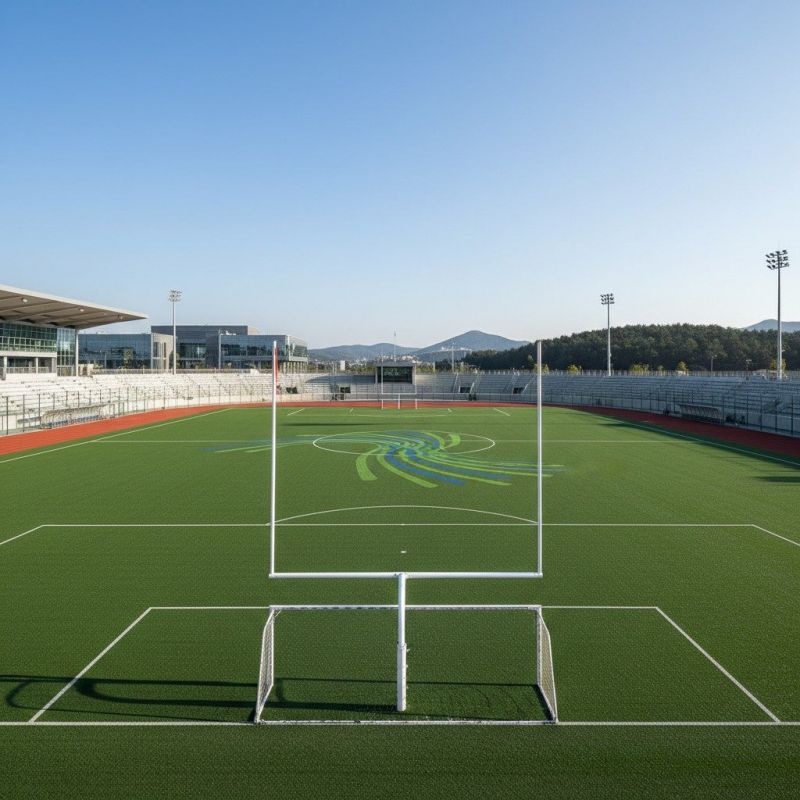
Properties that typically come up in discussions about repairing seams and edges include residential lawns, sports fields, playgrounds, commercial landscapes, and outdoor recreational areas. In residential settings, homeowners often want their artificial grass to blend seamlessly with existing landscaping, which makes fixing seams and edges a priority. Commercial properties, such as retail storefronts or office complexes, may require more durable repairs to withstand frequent use. Sports facilities and playgrounds also need well-maintained seams and edges to ensure safety and uniformity, making the work more specialized and demanding.
When searching for help with repairing seams and edges in artificial grass, many property owners turn to local service providers who specialize in turf repair and installation. These professionals bring the necessary skills and tools to handle various types of damage, from re-gluing seams to re-stretching loose edges. Connecting with experienced contractors ensures that repairs are performed correctly, restoring the appearance and functionality of the turf without the need for complete replacement. For homeowners and property managers, finding the right local pros can make the process of maintaining artificial grass more straightforward and effective, helping to extend the life and visual appeal of their outdoor spaces.
Turf installation projects - installing new artificial grass often involves seam joining and edge finishing skills similar to repair work, requiring precise cutting and adhesive application.
Synthetic sports surface repairs - maintaining or fixing seams and edges in synthetic sports fields involves similar techniques and tools used in artificial grass seam and edge repairs.
Landscape edging services - creating clean, durable edges around artificial turf installations shares planning and material handling skills with repairing seams and edges.
Artificial turf patching - patching damaged or worn sections of artificial grass involves seam joining and edge blending techniques comparable to repair work.
Playground safety surfacing repairs - fixing seams and edges in synthetic safety surfaces requires similar attention to detail and adhesive work as in artificial grass edge repairs.
Outdoor flooring installation - installing and repairing seams in various outdoor flooring materials shares planning and seam sealing skills relevant to artificial grass edge repairs.
When evaluating service providers for repairing seams and edges in artificial grass, it is important to consider their experience with similar projects. Homeowners should look for local contractors who have a proven track record of handling artificial grass repairs, especially those that involve seam and edge restoration. An experienced professional will understand the nuances of artificial turf installation and repair, ensuring that the work is performed efficiently and blends seamlessly with the existing surface. Checking for familiarity with different types of artificial grass and repair techniques can help ensure the job is completed to a high standard.
Clear written expectations are essential when selecting a contractor for artificial grass repair services. Homeowners should seek providers who can offer detailed descriptions of their process, materials used, and the scope of work involved in repairing seams and edges. Having this information in writing helps prevent misunderstandings and provides a basis for comparing different service providers. It also allows homeowners to evaluate whether the contractor’s approach aligns with their specific needs and expectations, fostering a smoother repair process.
Reputable references and good communication are key factors in choosing a reliable service provider. Homeowners can ask potential contractors for examples of previous work or references from past clients to gauge the quality of their repairs. Effective communication ensures that questions are answered clearly and concerns are addressed promptly, which can lead to a more satisfactory experience. By prioritizing providers who are transparent, responsive, and well-regarded in the community, homeowners increase the likelihood of a successful repair that restores the appearance and functionality of their artificial grass.
Property owners often search for repairing seams and edges in artificial grass when they are planning practical projects around their homes and businesses. Local pros provide Artificial Grass Repair services for everyday jobs and straightforward project options.
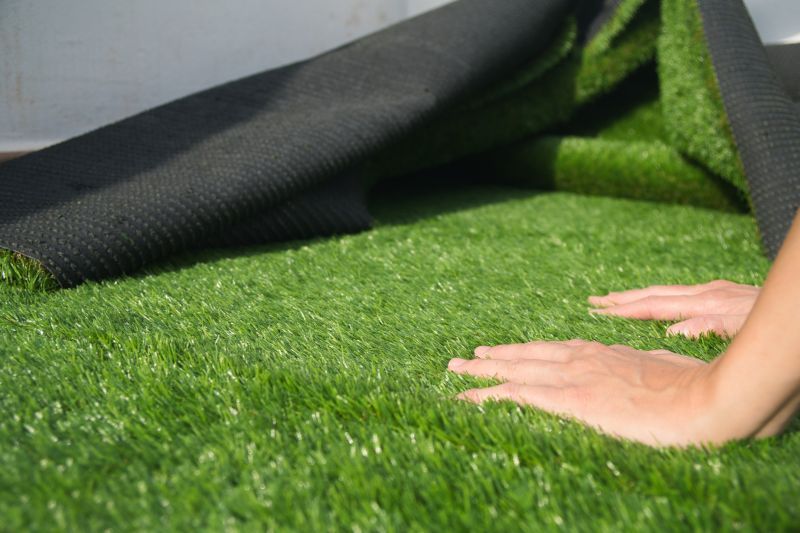
Property owners in the area often seek solutions for repairing seams and edges in artificial grass to maintain a clean and uniform appearance. Over time, regular foot traffic, weather exposure, or improper installation can cause seams to lift or edges to fray, making the lawn look worn or uneven. Addressing these issues promptly can help preserve the aesthetic appeal of outdoor spaces, whether for residential lawns, play areas, or commercial landscapes. Local contractors experienced in artificial grass repair are equipped to handle these common problems efficiently, ensuring that the surface remains smooth and secure.
Many property owners look up artificial grass repair services when noticing early signs of seam separation or edge deterioration. These issues can lead to further damage if left unaddressed, potentially affecting safety and functionality. Reaching out to local service providers who specialize in seam and edge repair can help restore the integrity of the turf, extending its lifespan and improving its overall look. These professionals are familiar with the materials and techniques needed to seamlessly repair and reinforce the affected areas, making the artificial grass look as good as new.
How do professionals repair seams in artificial grass? Local contractors typically use specialized adhesives and seam tapes to securely join sections of artificial grass, ensuring a seamless appearance and durability.
What methods are used to fix edges in artificial grass? Edges are often reinforced with edging materials or secured with nails and adhesive to prevent lifting and maintain a clean, finished look.
Can repairing seams and edges be done without replacing the entire turf? Yes, skilled service providers can repair damaged seams and edges individually, avoiding the need for full turf replacement.
What are common causes of seam and edge damage in artificial grass? Damage can result from heavy foot traffic, improper installation, weather conditions, or regular wear and tear over time.
How do local service providers ensure a seamless repair for seams and edges? They match the turf’s pile direction and color, use quality adhesives, and employ precise techniques to blend repairs with the existing artificial grass.
Assessing seam and edge damage - property owners can evaluate areas with loose or lifting edges to determine where repairs are needed, helping local contractors plan effective solutions.
Selecting appropriate repair materials - choosing the right adhesive or seam tape can ensure a durable fix, with local service providers offering guidance on suitable products.
Preparing the surface for repair - clearing debris and ensuring the area is clean allows for better adhesion and longer-lasting results when repairing seams and edges.
Executing seamless repairs - experienced contractors can expertly reattach seams and reinforce edges, restoring the artificial grass’s appearance and functionality.
If you are thinking about repairing seams and edges in artificial grass for a property, this guide is meant to help you understand this topic, the typical project types, and how different options might fit your plans.
When you are ready, you can use the quote form on this page to share a few details about your project. From there, local pros can review the basics and follow up with options that match what you have in mind.